
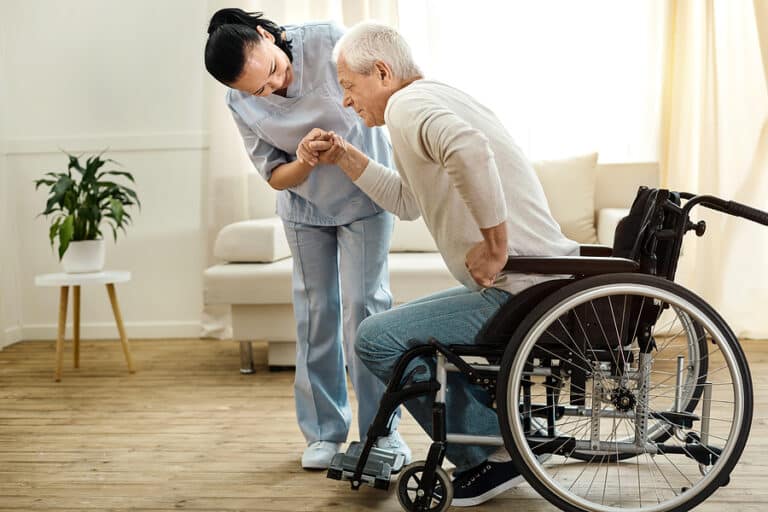
For many veterans, independence is deeply personal. Years of service foster resilience, discipline, and pride—qualities that do not fade with age. Yet physical changes, health conditions, or limited mobility can make everyday tasks more difficult over time. Families often struggle to support their loved ones while honoring that strong sense of self-reliance. Veterans home care offers a balanced solution, providing daily support that allows veterans to remain independent in the comfort of their own homes.
Why Independence Matters to Aging Veterans
Home represents familiarity, history, and control. For veterans, it often holds reminders of service, family life, and hard-earned routines. Remaining at home helps preserve emotional well-being and confidence. Moving away from that environment can feel disorienting or discouraging.
Veterans home care supports aging in place by offering assistance only where it is needed. Instead of replacing independence, caregivers strengthen it by helping veterans manage daily activities safely and comfortably.
Daily Support That Protects Independence
As veterans age, physical strength, balance, and stamina may change. Tasks that were once automatic—standing from a chair, preparing meals, or bathing—can require extra effort. Caregivers step in with respectful, hands-on support that allows veterans to continue making their own choices.
Veterans home care services include:
- Assistance with walking & mobility to help prevent falls
- Transferring assistance for safe movement between bed, chair, or bathroom
- Assistance bathing, toileting, & dressing to maintain hygiene and dignity
- Medication reminders to support safe routines
- Cooking & feeding help to ensure regular, balanced meals
- Light housekeeping to maintain a clean, safe living space
These supports allow veterans to focus on living, rather than struggling through tasks that may cause fatigue or frustration.
Transportation and Staying Connected
Driving can become challenging with age due to slower reaction time, vision changes, or physical discomfort. Losing the ability to drive often leads to isolation and missed appointments.
Through transportation and errands, veterans continue to attend medical visits, run personal errands, and stay connected with their community. This support preserves independence by allowing veterans to remain active without relying solely on family members.
Emotional Strength Through Companionship
Independence is not only physical—it is emotional. Many veterans live alone and may experience isolation, especially if family members live far away. Companionship provides conversation, engagement, and a reassuring presence throughout the day.
Caregivers may share stories, assist with hobbies, or simply offer company during meals. These interactions help maintain emotional balance and support mental well-being.
Safety Without Taking Control
One concern families often have is safety. Veterans may resist help if it feels intrusive. Veterans home care addresses this by providing safety monitoring & supervision that respects autonomy.
Veterans home care providers quietly observe routines, offer help when needed, and step in during higher-risk moments. This approach protects safety while allowing veterans to remain in control of their daily lives.
Support for Changing Mobility
Limited mobility can develop gradually or follow illness or injury. Veterans may find themselves resting more often or moving with caution. Turning & repositioning supports comfort for those spending extended time in bed or seated, reducing strain and discomfort.
With consistent support, mobility challenges become manageable rather than limiting.
When More Support Is Needed
Some veterans require additional assistance due to health changes or memory challenges. Veterans home care can expand to include continuous support, including 24-hour home care, ensuring help is always available.
For veterans living with memory loss, caregivers provide cueing & reminders of daily living, supervision, and structured routines that support safety and calm.
Benefits Families Often Notice
- Veterans maintain confidence and decision-making
- Reduced risk of falls or missed medications
- Improved nutrition and hydration
- A safer, more organized home
- Less strain on family caregivers
- Stronger emotional well-being
These outcomes allow families to focus on quality time rather than constant oversight.
A Trusted Partner for Veterans
Assisting Hands of South Jacksonville is a VA Authorized provider, helping eligible veterans access care that supports independence at home. Veterans home care plans are tailored to individual needs and routines, ensuring support fits seamlessly into daily life.
By respecting service, history, and personal preferences, caregivers help veterans age with dignity.
Independence That Endures
Aging does not mean giving up control. With the right support, veterans continue living on their own terms. Veterans home care preserves independence by addressing physical, emotional, and daily living needs without disrupting familiar routines.
Assisting Hands of South Jacksonville remains committed to honoring those who served by helping them remain safe, comfortable, and independent at home.
If you or an aging loved one are considering Veterans Home Care in Clay County, FL, please contact the caring staff at Assisting Hands – Serving South Jacksonville today at (904) 746-1036
Assisting Hands – Serving South Jacksonville provides exceptional home care in South Jacksonville, Orange Park, Fleming Island, Mandarin, Ortega, Middleburg, Green Cove Springs, and Clay County.
- What Stage of Dementia Is Sundowning, and How Families Can Ease It at Home - October 12, 2026
- When Memory Fades: How Dementia Home Care Supports Daily Living - October 12, 2026
- Assisted Living vs Home Care: Costs, Care and How Families Decide - October 12, 2026